
Drug Charges
The most important courtroom at 201 Poplar might not be yours.
For many people facing a drug charge in Memphis, the most important courtroom at 201 Poplar isn’t the one where their case was filed — it’s General Sessions Division 8, home of the Shelby County Drug Court. For eligible non-violent defendants, Drug Court offers something no plea bargain can match: the chance to complete treatment, have the charge dismissed, and then expunged — as if the arrest never happened.
Brooks Law Firm evaluates every drug case for Drug Court eligibility, and we tell you honestly whether it’s the right path for you. It isn’t for everyone. Here is how the program actually works.
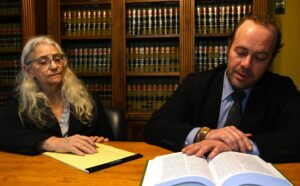
Zero: what stays on your record after graduation. Founded in 1997 by Judge Tim Dwyer and presided over today by Judge Lee Wilson, Drug Court is one of the oldest programs of its kind — dismissal plus expungement for those who complete it.
How the program runs
StructureNot every drug case qualifies, and not every qualifying defendant should choose it. We evaluate every drug case for Drug Court eligibility — and tell you honestly whether it’s the right path.
The program is treatment with teeth: phased requirements, regular screens, and review settings before Judge Wilson in Division 8. It is work — which is exactly why it earns what it earns.
Completion means the charge is dismissed and then expunged. For employment, housing, and licensure questions, the arrest legally never happened.
Drag / scroll →
What the Shelby County Drug Court Is
Founded in 1997 by Judge Tim Dwyer and now presided over by Judge Lee Wilson, the Shelby County Drug Court is a treatment-based alternative to jail for non-violent adults whose charges are driven by substance use. It is one of the oldest drug courts in Tennessee and has graduated more than 2,000 participants. The court sits in Division 8 at the Criminal Justice Center, 201 Poplar Avenue.
This is not probation with extra steps. The judge personally reviews each participant’s progress at frequent court appearances, working with a treatment team. Participants who do well are rewarded; those who slip are sanctioned — but the goal is recovery, not punishment.
Who Is Eligible
- Non-violent offenders whose criminal conduct is connected to drug or alcohol use — typically possession, paraphernalia, and certain property offenses driven by addiction
- Participation is voluntary — you cannot be forced into Drug Court, and choosing it is a strategic decision to make with your attorney
- Cases can transfer in from the suburban courts. Drug Court accepts eligible transfers from other Shelby County courts, including Bartlett and Collierville municipal cases — something many defendants (and some attorneys) don’t realize
Violent charges, and certain other case types, are excluded. Whether a borderline case gets in often depends on how it’s presented — which is where representation matters.
What the Program Requires
The program runs a minimum of one year — typically 12 to 18 months depending on your progress and the nature of your case, structured in four phases:
- Intensive outpatient treatment (inpatient is available where needed)
- Random and regular drug screens throughout the program
- Group therapy, one-on-one counseling, and NA/AA sessions
- Frequent court appearances before Judge Wilson to review progress
- Additional components as the team deems necessary: mental health counseling, GED/job readiness, life skills, parenting, or anger management
The Payoff: Dismissal and Expungement
Upon successful graduation, an eligible participant’s case is dismissed and expunged — permanently erased. No conviction, no probation record, and a clean answer on job, housing, and licensing applications. Compare that to pleading guilty to even a misdemeanor possession charge, which can follow you indefinitely. For most eligible clients, that difference is worth the year of work. Learn more about how expungement works on our expungement page.
Note the qualifier: if eligible. Some charge types will not come off your record even after graduation, and a DUI is never expungeable in Tennessee regardless of program completion — see our DUI page for why those cases follow a different track.
Is Drug Court Right for You? An Honest Assessment
Drug Court is demanding. A year-plus of screens, meetings, and court dates is harder than a quick plea — and a sanctioned relapse can mean jail time within the program. It is the right choice when the addiction is real and the record matters. It may be the wrong choice when the State’s case is weak enough to fight outright: if the stop, the search, or the lab work doesn’t hold up, a suppression motion and dismissal beats a year of treatment obligations. Brooks Law Firm examines the evidence first, then the program. Sometimes the best path is Drug Court; sometimes it’s trial; often the leverage of being Drug Court-eligible improves the negotiated outcome even if you never enroll.
Frequently Asked Questions
Can I get into Drug Court if my case started in Bartlett or Collierville?
Yes — the Shelby County Drug Court accepts transferred cases from other local courts in the county, including Bartlett and Collierville, for eligible clients. Your attorney initiates and negotiates that transfer.
Is Drug Court mandatory if the prosecutor offers it?
No. Participation is entirely voluntary. It’s an option you elect with your attorney’s advice, not a sentence imposed on you.
Will my charge really disappear if I graduate?
For eligible cases, yes — dismissal followed by expungement, permanently erasing the charge. Some case types are not eligible for expungement even after graduation, which is exactly the kind of question to resolve with your attorney before enrolling, not after.
How long does it take?
A minimum of one year; most participants complete the program in 12 to 18 months across four phases, with the pace depending on progress in treatment.
Facing a drug charge in Shelby County? Before you take any plea, find out whether Drug Court — or an outright defense — is your best path. Call Brooks Law Firm at (901) 324-5000 or the criminal defense line at (901) 412-2973. Spanish-language services available.
Common questions
Can I get into Shelby County Drug Court if my case started in Bartlett or Collierville?
Yes. The Shelby County Drug Court in General Sessions Division 8 accepts transferred cases from other local courts in the county, including Bartlett and Collierville municipal cases, for eligible clients. Your attorney initiates and negotiates that transfer.
How long does the Shelby County Drug Court program take?
A minimum of one year. Most participants complete the program in 12 to 18 months across four phases, with the pace depending on progress in treatment.
Flat fees, in writing
CostPossession and related misdemeanor charges in General Sessions.
Felony drug charges beginning at 201 Poplar; quoted by charge.
Every drug case we take is screened for Division 8 eligibility — free consultation.
// Flat fees, quoted in writing before you hire. Se habla Español.
More from the suburban file
Series · 5 briefsThe suspended sentence, the same-judge problem, and the pre-hearing window.
One courthouse per county, fewer docket days — small-court dynamics cut both ways.
Cordova has no court of its own — where your case lands depends on the stop.
One missed ID in a sting, and a record question follows every application.
Complete treatment, charge dismissed, record expunged — as if it never happened.
Drag / scroll →