Memphis Drug Charge Lawyer — Drug Crime Defense in Shelby County
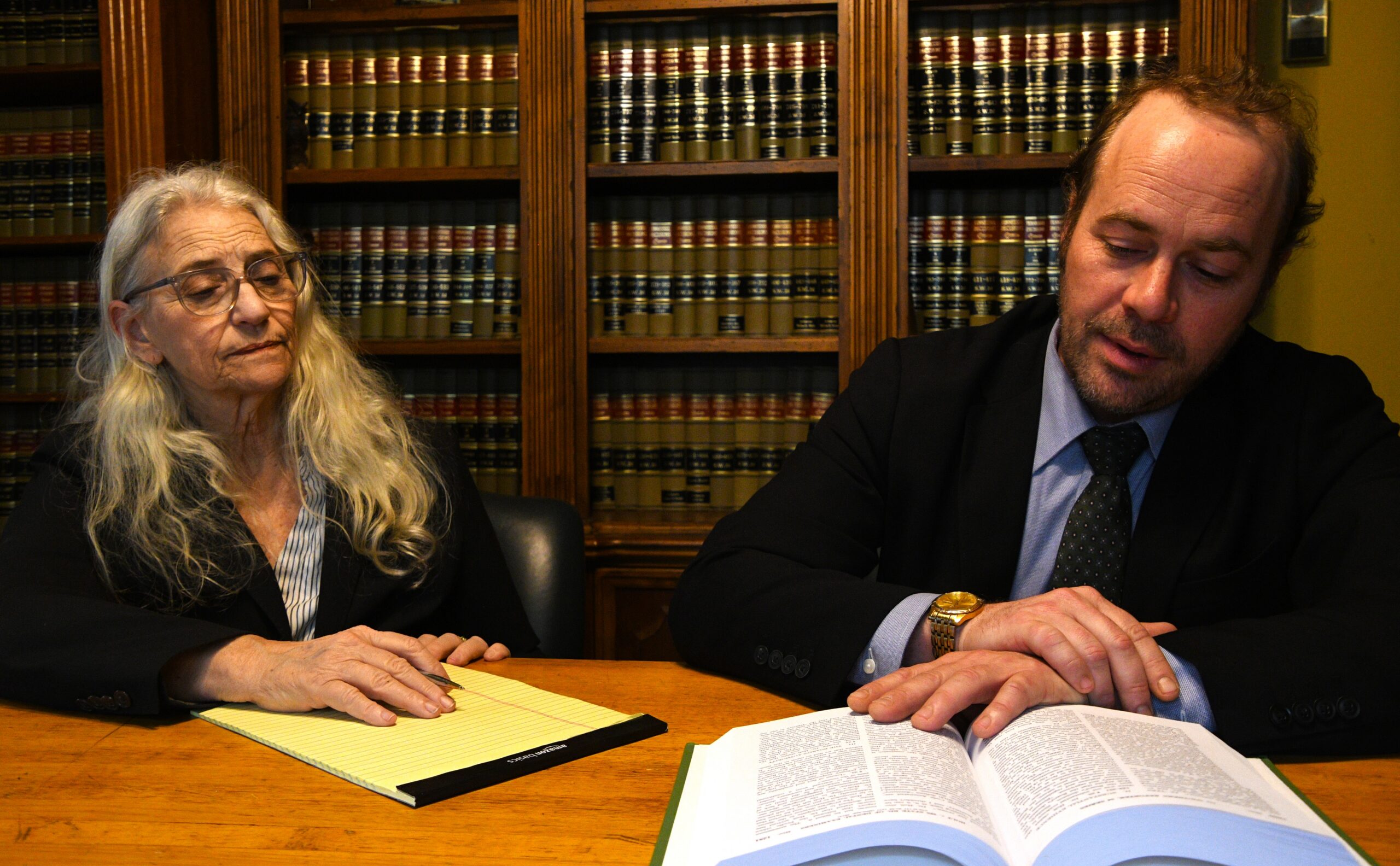
A drug charge in Tennessee can turn on half a gram, a single text message, or a search that never should have happened. Brooks Law Firm defends people charged with drug offenses in Memphis, throughout Shelby County, and, in federal cases, in the U.S. District Court for the Western District of Tennessee. If you are looking for a drug charge lawyer in Memphis, call (901) 324-5000 or call or text the criminal line at 901-412-2973 for a confidential consultation.
Drug cases usually turn on two questions: what the State can prove about your knowing possession of the substance, and whether the stop, search, or surveillance that produced the evidence complied with the Fourth Amendment. Those two questions frame most of the defensive work in these cases.
“The drug case the prosecutor sees is not always the case the evidence supports. Somewhere between the affidavit and the trial, what the State can actually prove tends to narrow — if the defense does its work.”
How Tennessee Classifies Controlled Substances
Tennessee groups controlled substances into Schedules I through VII under Tenn. Code Ann. §§ 39-17-403 through 39-17-416. Schedule I substances (heroin, LSD, psilocybin, MDMA) are treated most severely; Schedule II (cocaine, methamphetamine, fentanyl, oxycodone and certain other opioids) are next; marijuana sits in its own Schedule VI. The schedule, the amount, and the conduct alleged — simple possession under § 39-17-418 versus manufacture, delivery, sale, or possession with intent under § 39-17-417 — determine whether a charge is a misdemeanor or a felony, and which felony class applies.
Charges by Substance
The defense issues differ by drug — the weight thresholds, the schedule, the way juries hear the evidence, and the programs available. See our detailed pages on cocaine charges, fentanyl charges, marijuana charges, methamphetamine charges, heroin charges, ecstasy and MDMA charges, and prescription pill charges. For multi-defendant and federal cases, see drug conspiracy defense; for the science behind the State’s proof, see challenging drug testing methodology.
Simple Possession vs. Possession With Intent
Simple possession or casual exchange under § 39-17-418 is generally a Class A misdemeanor for a first offense — up to 11 months and 29 days and a fine up to $2,500 — with felony exposure for repeat convictions. Possession with intent to manufacture, deliver, or sell under § 39-17-417 is a felony whose class depends on the substance and amount. The State often builds “intent” from circumstances — packaging, scales, cash, phone contents — and each of those inferences can be contested. Getting a charge assessed at the level the evidence actually supports is frequently worth more to a client than anything else in the case.
Aggravating Factors and Enhancements
- Drug-Free Zones. Offenses within a designated zone around schools and certain other facilities carry enhanced penalties under § 39-17-432, though amendments effective in 2020 narrowed the zones and gave courts discretion — the date of the offense matters.
- Firearms. A firearm possessed in connection with a drug felony adds separate state charges, and in federal court, 18 U.S.C. § 924(c) adds a mandatory consecutive sentence of at least five years.
- Death resulting. Where a delivered substance — most prominently fentanyl or its analogues — results in death, Tennessee law exposes the seller to second-degree-murder-level prosecution.
- Federal conspiracy. A drug conspiracy under 21 U.S.C. § 846 exposes a defendant to the same penalties as the completed offense, and quantities attributable to the conspiracy as a whole can be attributed to individual members. Federal practice is discussed on our federal criminal defense page.
Forfeiture: The Case Against Your Property
Felony drug arrests are frequently accompanied by the seizure of cash, vehicles, and other property the State alleges are drug proceeds. The forfeiture proceeding is separate from the criminal case, runs on its own short deadlines, and can be fought — and won — even where the criminal case is unresolved. See our civil asset forfeiture defense page.
Diversion, Recovery Court, and Keeping Your Record Clean
Many first-time defendants are eligible for judicial diversion under § 40-35-313 or pretrial diversion under § 40-15-105 — programs that, successfully completed, end in dismissal and eligibility for expungement. Shelby County also operates a drug recovery court for defendants whose charges are driven by substance dependence. Whether a treatment-based resolution or a suppression fight is the better path depends entirely on the evidence — and we evaluate both from the first meeting.
Where Drug Cases Are Heard in Shelby County
Most Memphis drug cases begin in the General Sessions Criminal Court divisions at 201 Poplar Avenue. Misdemeanors may be resolved there; felony charges typically move through a preliminary hearing and grand jury presentment into a Shelby County Criminal Court division for arraignment, motion practice, and trial. Cases with federal exposure — larger quantities, firearms, or multi-defendant investigations — may instead be charged in the U.S. District Court for the Western District of Tennessee. Brooks Law Firm appears regularly in each of these courts, and our Memphis drug charge lawyers handle cases from the first appearance through disposition. Where an arrest also produces a seizure of cash, a vehicle, or other property, we contest the taking in the separate forfeiture proceeding — see our civil asset forfeiture defense page.
Frequently Asked Questions
Is drug possession a felony in Tennessee?
A first-offense simple possession charge is generally a Class A misdemeanor. Possession with intent to manufacture, deliver, or sell is a felony whose class depends on the substance and amount, and repeat simple-possession convictions can be charged as felonies.
Can the police search my car during a traffic stop?
Only within constitutional limits. A stop must be justified at its start, cannot be unreasonably prolonged, and a search generally requires consent, probable cause, or another recognized exception. Whether those limits were respected is often the deciding issue in a Memphis drug case.
Can a drug charge be expunged in Tennessee?
A dismissal — including one earned through diversion — can generally be expunged. Certain convictions may also qualify after a waiting period, depending on the offense and your record. Avoiding the conviction in the first place preserves the most options.
Do I need a lawyer for a first-time drug charge?
Yes. First-time defendants often have the most to protect and the best options — diversion, recovery court, suppression challenges — but those options narrow quickly once a plea is entered.

Talk to a Memphis Drug Charge Lawyer
If you or a family member has been arrested on a drug charge in Memphis, Shelby County, or the surrounding West Tennessee area, contact Brooks Law Firm before your first court date. Call our office at (901) 324-5000, or call or text the criminal defense line at 901-412-2973. Our office is located at 2299 Union Avenue, Memphis, TN 38104, in Midtown Memphis. Spanish-language services are available. Se habla Español.
Disclaimer: This page provides general information about Tennessee law, last reviewed July 2026, and is not legal advice. Reading this page does not create an attorney-client relationship. Offense grading and penalties depend on the substance, the amount, the specific subsection charged, and prior convictions, and statutes may be amended after the date above. If you have been charged with a drug offense, contact a qualified Tennessee attorney about the specific facts of your matter.