
Brooks Law Firm
Representation for Musicians, Recording Artists, and Creative Talent 🎨
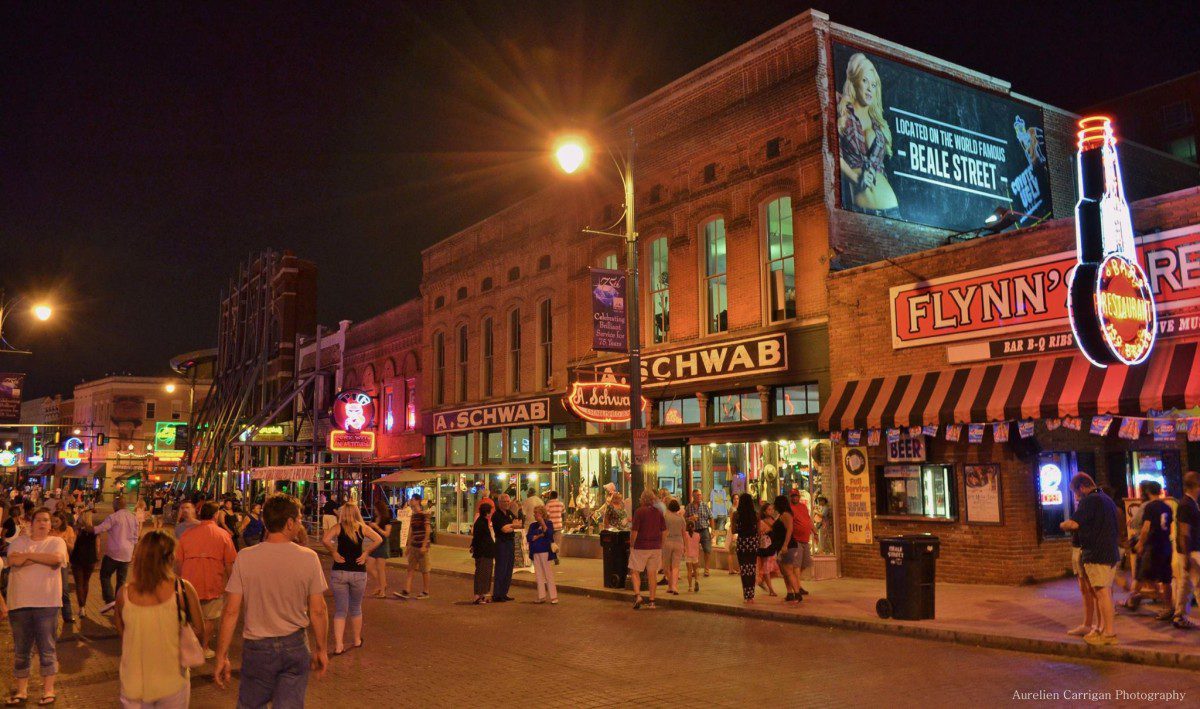
Tennessee has been at the center of American music for more than a century. From Beale Street blues and Stax soul in Memphis to the songwriting and recording engines of Music Row in Nashville, this state has shaped the careers of artists in every genre and produced more than its share of legal disputes over the rights that flow from that work. The music business runs on contracts, on intellectual property, and on the relationships an artist builds with managers, labels, publishers, promoters, and commercial partners. Each of those relationships is governed by terms that, once signed, can shape a career for years or decades.
Our firm represents musicians, recording artists, songwriters, producers, performers, and the creative businesses that work with them. We negotiate and draft the agreements that define an artist’s career, protect the intellectual property that gives that career its value, manage the bookings and promotional arrangements that move an artist’s work into the marketplace, and structure the commercial partnerships that turn a name into a brand. When disputes arise—and in this industry, they do—we are prepared to enforce our clients’ rights in state and federal court.
Contract Negotiation, Drafting, and Review
The contract an artist signs at the beginning of a project often determines who controls the work, who collects on it, and for how long. Many of the most consequential agreements in the music business are presented to artists as standard or non-negotiable when, in fact, almost every material term is negotiable in the hands of experienced counsel. We negotiate, draft, and review the full range of agreements an artist will encounter:
- Recording agreements — record deals with major and independent labels, including advances, recoupment, royalty rates, ownership of masters, term and option structure, territory, and rights reversion.
- Publishing agreements — co-publishing, administration, and exclusive songwriter deals, with attention to writer share, publisher share, advance recoupment, and reversion of unexploited works.
- Producer agreements — production deals, work-for-hire terms, producer points, and credit and royalty structures for both featured and ghost production work.
- Distribution agreements — deals with traditional distributors and digital aggregators, including DSP delivery, advance structures, and audit rights.
- Songwriter and co-writer split sheets — written agreements that establish ownership shares before a session, not after a hit.
- Management agreements — commission structures, term and sunset clauses, scope of authority, and termination rights.
- Featured artist and side-artist agreements — guest appearances, features, and session work, including credit, royalty participation, and clearance.
- Live performance contracts and riders — venue agreements, festival appearances, opening slots, and the technical and hospitality riders that protect a performance.
- Sync, master use, and mechanical licenses — placement of recordings and compositions in film, television, advertising, video games, and digital media.
For artists who already have agreements in place, we conduct contract audits to identify provisions that are working against the client and to develop strategies for renegotiation, amendment, or termination where the terms permit.
Booking, Touring, and Live Performance

Live performance is, for most working artists, the largest single source of income. It is also where the most operational risk sits—cancellations, venue disputes, settlement shortfalls, injuries, equipment loss, and promoter insolvency are common. We handle the legal side of booking and touring so the artist can focus on the work:
- Booking and managing engagements with venues, festivals, promoters, and private buyers
- Negotiation of performance fees, guarantees, door splits, and back-end participation
- Drafting and enforcement of performance contracts, technical riders, and hospitality riders
- Settlement review at the end of an engagement to confirm the artist is paid what the contract requires
- Tour structuring, including merchandise rights, support-act arrangements, and exclusivity terms
- Cancellation, force majeure, and rescheduling disputes
- Insurance review and coverage planning for tours and one-off engagements
Advertising, Promotion, and Publicity
An artist’s name, voice, image, and audience are commercially valuable, and how they are used in advertising and promotion is governed by a layered set of contracts and rights. We structure and manage the promotional side of an artist’s career so that exposure translates into compensation and so that the artist’s brand is not diluted or misused:
- Endorsement and sponsorship agreements with brands, instrument manufacturers, apparel companies, and consumer products
- Influencer, social media, and content creator agreements, including FTC-compliant disclosure terms
- Publicity, public relations, and marketing agency engagements
- Press, interview, and appearance releases
- Photography, video, and content licensing terms—both for content the artist creates and content created of the artist
- Touring and event advertising, including co-branded promotional campaigns with venues, sponsors, and presenters
Intellectual Property Protection
Intellectual property is the foundation of an artist’s long-term value. A recording artist typically owns or shares rights in two distinct copyrights for every song—the underlying musical composition (lyrics and melody) and the sound recording (the master). Add to that the artist’s name, logo, and visual brand (trademarks), the artist’s right to control the use of their name, image, likeness, and voice (right of publicity), and the catalog of unpublished works (trade-secret-level confidentiality), and the IP picture quickly becomes a full portfolio. We protect that portfolio across its full life cycle:
- Copyright registration and enforcement — timely registration with the U.S. Copyright Office for both compositions and sound recordings, which is a prerequisite for statutory damages and attorney’s fees in infringement actions.
- Trademark registration — federal registration of artist names, band names, logos, album titles where eligible, and merchandise marks, with clearance searches before public use.
- Sample clearance and interpolation licenses — obtaining the rights needed to incorporate existing recordings or compositions into new work.
- Sync licensing and master use — both granting licenses to third parties and obtaining licenses for the artist’s own projects.
- DMCA takedowns and online enforcement — removing unauthorized uses from streaming services, social platforms, and websites.
- Right of publicity protection — under the Tennessee Ensuring Likeness, Voice, and Image Security Act (the “ELVIS Act,” Tenn. Code Ann. § 47-25-1101 et seq., effective July 1, 2024), Tennessee provides among the strongest protections in the country against unauthorized use of an individual’s name, photograph, voice, and likeness—including AI-generated voice clones and digital replicas. The statute creates both civil and criminal liability and authorizes injunctive relief, damages, attorney’s fees in defined cases, and destruction of infringing materials.
- Catalog management and acquisition — representation in the purchase, sale, or strategic management of music catalogs.
For a broader overview of our intellectual property practice, see our page on Intellectual Property Protection.
Commercial Partnerships and Brand Agreements
Beyond traditional endorsements, many of the most valuable opportunities for an artist today come from longer-term commercial partnerships—arrangements where the artist and a business work together over time on mutually beneficial commercial terms. We structure these relationships so that the upside is shared, the obligations are clear, and the artist’s creative control and brand integrity are preserved. We work only with approved partners—businesses that have been vetted for legitimacy, financial capacity, and reputational alignment with the artist—and we structure each partnership around terms that protect both sides:
- Brand partnership and ambassador agreements with defined deliverables, exclusivity, and territory
- Co-branded merchandise and product collaborations
- Equity-for-services and revenue-share arrangements where the artist takes a stake in a business in exchange for endorsement or creative input
- Strategic alliances and joint ventures with venues, festivals, hospitality groups, and lifestyle brands
- Licensing agreements that allow approved partners to use the artist’s name, marks, or content in defined commercial contexts
- Cross-promotional agreements that tie together touring, releases, and brand activations
- Termination, exit, and unwind provisions so a partnership can be ended cleanly if it stops working
For artists with significant earnings or catalog value, we also structure the entities, trusts, and succession arrangements that hold and protect these assets across time. See our Business Litigation and Civil Litigation pages for additional context on the firm’s commercial practice.
Disputes, Enforcement, and Litigation
Disputes in the music industry follow patterns. We represent clients in:
- Royalty audits and unpaid royalty claims against labels, publishers, and distributors
- Artist–manager and artist–label disputes, including termination, accounting, and post-term obligations
- Producer and co-writer disputes over splits, credit, and ownership
- Copyright infringement, both as plaintiff and defendant
- Trademark infringement and unauthorized merchandise
- Right of publicity and ELVIS Act enforcement, including unauthorized AI voice and likeness uses
- Venue, promoter, and festival disputes over cancellations, settlements, and contract performance
- Brand partnership disputes, including breach of exclusivity, non-payment, and reputational claims
Why Work With Our Firm
Most artist representation in Tennessee runs through Nashville. Our firm is based in Memphis, which gives our clients meaningful advantages. Memphis is itself a globally significant music city, with an active live scene, a deep recording history, and a steady flow of touring through the region. Our location keeps us close to the venues, studios, and promoters our clients work with, and our roots in the Memphis legal community give us established relationships with the courts and counsel that handle music-business disputes in West Tennessee, the Western District of Tennessee, and the Sixth Circuit.
We also offer something most boutique entertainment practices cannot: a full-service firm. The same attorneys who negotiate your record deal, structure your brand partnerships, and protect your intellectual property are part of a firm that handles criminal defense, civil litigation, and business disputes. For touring artists and high-profile clients, having one firm that can move quickly across all of these areas—rather than coordinating among multiple specialists in a crisis—matters.
Our fee structures reflect the work. Transactional matters—contract negotiation, IP protection, partnership structuring—are typically handled on hourly or flat-fee terms tailored to the project. Enforcement actions and litigation are structured differently, with options that can include hourly, contingency, or hybrid arrangements depending on the nature of the claim. We will discuss the fee approach openly at the start of the representation so the client knows what to expect.

Get in Touch
If you are a musician, recording artist, songwriter, producer, performer, or a business that works with creative talent, and you want to discuss representation, contract review, IP protection, or a commercial partnership, contact our firm to schedule a consultation. We handle matters confidentially and welcome inquiries from new and established clients across Tennessee and beyond.
Brooks Law Firm
2299 Union Avenue
Memphis, Tennessee 38104
This page provides general information and does not constitute legal advice. No attorney-client relationship is formed by reading this page or by submitting an inquiry. Tennessee Rule of Professional Conduct 7.1: Patrick Brooks is the attorney responsible for the content of this page.