
Brooks Law Firm
A misdemeanor is not a minor matter. In Tennessee a misdemeanor conviction can mean jail time, up to two years of probation, fines and fees, and a permanent criminal record that follows you through background checks for employment, housing, and licensing. How much you are exposed to depends entirely on the class of the offense and how the case is handled. This page explains how Tennessee classifies misdemeanors, the sentencing ranges, how probation and jail time actually work, and the options for keeping a charge off your record. If you are facing a misdemeanor in Shelby County or anywhere in the Mid-South, call Brooks Law Firm at (901) 324-5000 for a confidential consultation. If your charge is in Memphis or Shelby County specifically, start with our Memphis misdemeanor defense page, which covers how these cases actually move through General Sessions at 201 Poplar.

The Three Classes of Misdemeanor
Tennessee divides misdemeanors into three classes, each with its own maximum jail term and fine under T.C.A. § 40-35-111(e). The class — not the name of the crime — determines the ceiling on punishment.
| Class | Maximum Jail | Maximum Fine | Typical Examples |
|---|---|---|---|
| Class A | 11 months, 29 days | $2,500 | Simple assault, domestic assault (injury type), theft of property of modest value, first-offense DUI, possession of certain controlled substances, violation of an order of protection |
| Class B | 6 months | $500 | Some offensive-contact assaults, certain trespass offenses, prostitution-related offenses |
| Class C | 30 days | $50 | Disorderly conduct, public intoxication, simple possession of drug paraphernalia (varies), many minor offenses |
Two cautions about that table. First, a particular statute can override the general fine cap or attach a mandatory minimum — for example, DUI and domestic assault carry mandatory minimum periods of confinement that a court cannot suspend. Second, where an offense falls is sometimes itself disputed; the same conduct can be charged at different levels depending on the facts, which is one of the first things a defense attorney examines.
And the class lines run in both directions: the same conduct that is a misdemeanor at one dollar value, drug quantity, or prior count becomes a felony past the statutory line. Our Memphis felony page explains where those lines sit — and if you received a citation instead of being arrested, see what a misdemeanor citation means in Memphis.

How a Misdemeanor Sentence Actually Works
A Determinate Sentence
Under T.C.A. § 40-35-302, a misdemeanor sentence is a determinate sentence — the court fixes a specific number of months, days, or hours. There is no parole board for misdemeanors; the sentence is what the judge sets, subject to the rules below.
The Percentage You Must Serve
When imposing a jail sentence, the judge also sets a percentage — from 0% up to a maximum of 75% — that you must serve before becoming eligible for work release, furlough, trusty status, and other rehabilitative programs. The jail authority, not the judge, then decides whether to place you in those programs. This percentage is a major lever in misdemeanor sentencing and is often the difference between actually sitting in jail and serving time on alternatives.
Continuous Confinement and Split Confinement
A misdemeanor jail term is generally served continuously. But a judge can suspend all or part of the sentence and order the balance served on probation, or impose split confinement — a short period in jail followed by probation. Where mandatory minimums apply (such as DUI or repeat domestic assault), the law often requires that the minimum be served in consecutive days that cannot be served on weekends or worked off through ordinary probation.
Probation — How Long and How It Works
Probation lets you serve some or all of a suspended sentence in the community under conditions set by the court. Importantly, the probation period can be longer than the maximum jail term for the offense. For most misdemeanors, a court can place a person on probation for up to two years. For domestic assault and certain related offenses, the supervision period can run as long as eight years.
Typical conditions include reporting to a probation officer, paying supervision fees, court costs, fines, and restitution, obeying all laws, and completing court-ordered programs — DUI school, alcohol-and-drug assessment, anger management, batterer’s intervention, or community service, depending on the offense. Violating probation can lead to revocation and service of the original suspended sentence in jail, so the conditions are not optional fine print.
Diversion — Avoiding a Conviction Entirely
For many first-time offenders, the most valuable outcome is not a lighter sentence but no conviction at all. Tennessee offers two diversion mechanisms.
Judicial Diversion — T.C.A. § 40-35-313
With judicial diversion, you enter a guilty plea (or are found guilty), but the court holds the finding in abeyance and places you on probation rather than entering a conviction. If you complete the probationary term successfully, the charge is dismissed and you may then petition to have the record expunged. Eligibility requires a Tennessee Bureau of Investigation certificate confirming you qualify, and certain offenses — including sexual offenses and some violent offenses — are excluded. You generally get this opportunity only once.
Pretrial Diversion — T.C.A. § 40-15-105
With pretrial diversion, the prosecutor agrees to suspend the prosecution under a memorandum of understanding for a set period not to exceed two years, with supervision and a monthly fee. If you comply, the charge is dismissed and the record can be expunged. Pretrial diversion requires the prosecutor’s agreement, is unavailable to those with certain prior records, and, like judicial diversion, is generally a one-time opportunity.
The Consequences Beyond Court
The fine and jail exposure are only part of the picture. A misdemeanor conviction can carry collateral consequences that last far longer than the sentence:
- A permanent criminal record visible to employers, landlords, and licensing boards on routine background checks.
- Professional licensing consequences for nurses, teachers, CDL holders, real estate agents, and others who must disclose convictions.
- Firearm rights — a misdemeanor domestic assault conviction triggers a lifetime federal firearm ban with no exceptions.
- Immigration consequences for non-citizens, which can be severe even for offenses that seem minor.
- Driver’s license impacts for certain offenses, including DUI and some drug and alcohol offenses.
- Enhanced exposure on any future charge, since prior convictions increase penalties and reduce eligibility for diversion and alternative sentencing later.
Clearing Your Record — Expungement
Under T.C.A. §§ 40-32-106 and 40-32-107, several outcomes can be cleared from your record:
- Dismissals, “no true bill,” nolle prosequi, and acquittals are eligible for expungement, generally at no cost.
- Successfully completed diversion (judicial or pretrial) can be expunged after the case is dismissed, typically for an administrative fee.
- An eligible conviction — one, or in some cases two (two misdemeanors, or one misdemeanor and one eligible felony) — may be expunged once the waiting period has passed: five years after the sentence is completed for a misdemeanor or Class E felony, ten years for an eligible Class C or D felony. All costs and restitution must be paid, and the offense cannot be on the excluded list (T.C.A. § 40-32-107).
Important limits apply: some offenses can never be expunged — DUI convictions, for example, cannot be expunged in Tennessee — and certain sexual and violent offenses are excluded. Because eligibility depends on the specific offense, the disposition, and your overall record, an expungement analysis should be part of the strategy from the start of the case, not an afterthought. For a step-by-step walkthrough of the process — eligibility, the TBI fee, the petition, and timelines — see our Tennessee misdemeanor expungement guide.
Where Misdemeanors Are Handled
Most misdemeanors in Shelby County begin in General Sessions Court, which can resolve misdemeanor cases without a jury, and some are handled in Municipal Court. A defendant generally has the right to have a case bound over to Criminal Court for a jury trial. Each forum has its own practice and pace, and the right venue and approach can materially affect the outcome. Our Memphis misdemeanor page walks through that process at 201 Poplar in detail.
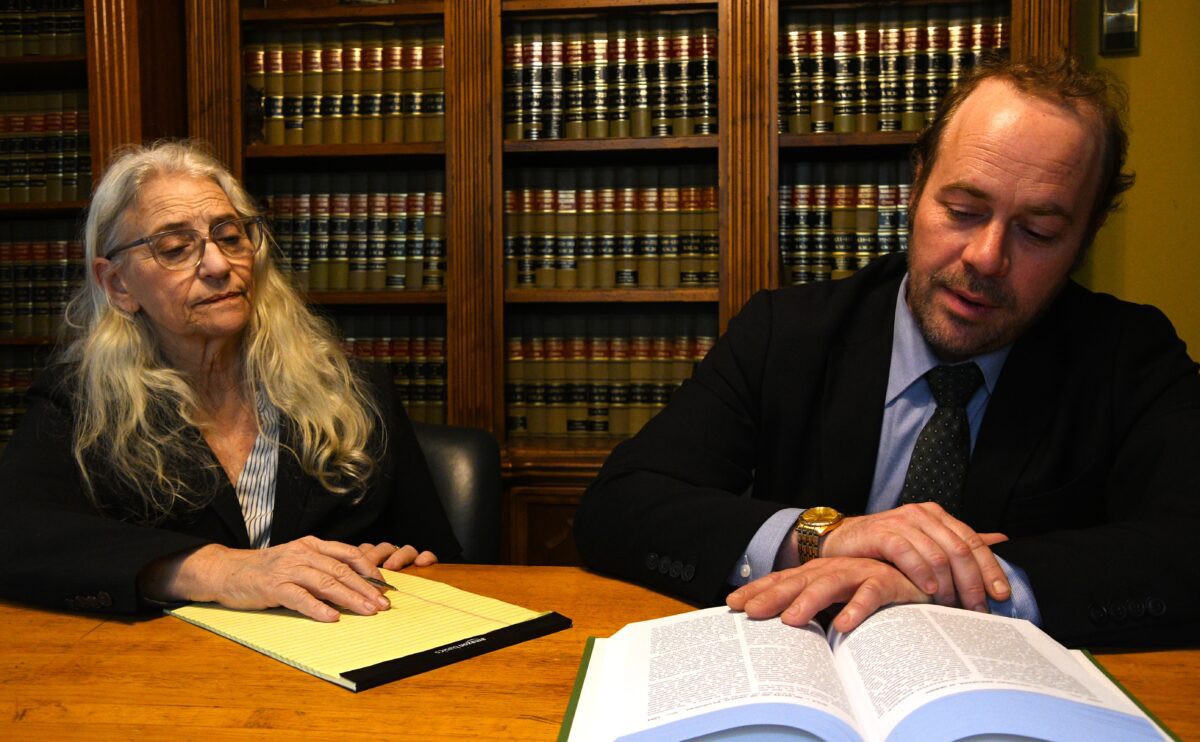
How Brooks Law Firm Helps
- Challenge the charge: We test the evidence and the legal basis for the charge, pursuing dismissal or reduction where the proof is weak.
- Protect your record: We pursue diversion and other non-conviction outcomes wherever you are eligible, so the case does not become a permanent mark.
- Manage the sentence: We advocate on the percentage-to-serve, split confinement, and probation terms to minimize jail time and onerous conditions.
- Watch the collateral consequences: We evaluate firearm, immigration, licensing, and driver’s-license impacts before any plea, so a quick resolution does not create a lasting problem.
- Plan for expungement: We structure the resolution with your eventual ability to clear the record in mind.
What to Do Right Now If You’ve Been Charged
- Do not assume it will take care of itself. Even a Class C misdemeanor leaves a record if it results in a conviction.
- Do not talk to police about the allegations without a lawyer.
- Write down what happened while it is fresh, and note any witnesses.
- Preserve evidence — photos, messages, receipts, and anything showing context.
- Note your court date and any deadlines.
- Ask about diversion and expungement early — eligibility can be affected by how the case is resolved.
- Call Brooks Law Firm at (901) 324-5000 before your court appearance.
Schedule a Confidential Consultation
Brooks Law Firm represents people charged with misdemeanors of every class throughout Shelby County and surrounding West Tennessee counties — in General Sessions, Municipal, and Criminal Court. We offer Spanish-language services. Consultations are confidential and without obligation.
Brooks Law Firm
2299 Union Avenue
Memphis, Tennessee 38104
Phone: (901) 324-5000
patrickbrookslaw.com/
Disclaimer: This page provides general information about Tennessee law current as of 2026 and is not legal advice. Sentencing ranges, mandatory minimums, probation periods, diversion eligibility, and expungement rules depend on the specific offense and your individual record, and statutory citations may be amended after the date above. Reading this page does not create an attorney-client relationship. Every case is different. If you have been charged with any offense, contact a qualified Tennessee attorney about the specific facts of your matter.